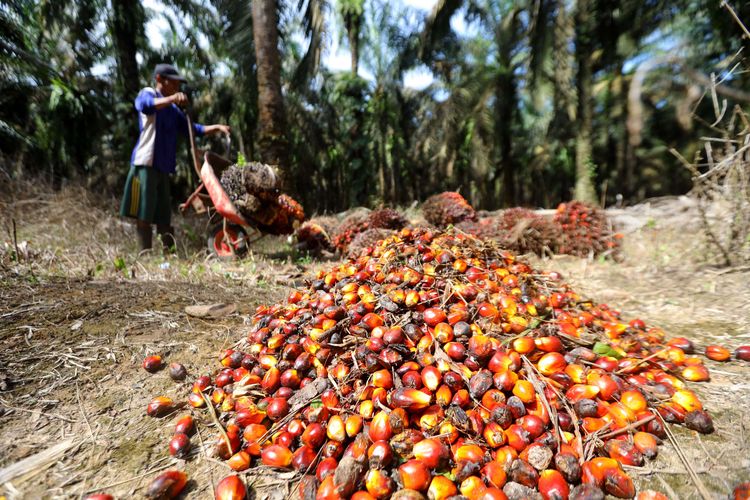
Indonesia is the world’s largest producer and exporter of crude palm oil (CPO). This versatile and sustainable ingredient has many uses in the food, cosmetics, and energy industries. This article will explore the many benefits of Indonesian crude palm oil and how it contributes to sustainable development.
Indonesian crude palm oil is a versatile and sustainable ingredient with many uses. Explore how CPO is contributing to sustainable development in this article.
What is Indonesia Crude Palm Oil?
The Production and Sustainability of Indonesia Crude Palm Oil
Indonesia is one of the world’s top palm oil producers, with a total production of over 40 million metric tons in 2020. The production of CPO in Indonesia has contributed significantly to the country’s economy, providing employment opportunities for millions of people.
However, concerns have been raised about palm oil production’s environmental and social impacts. In recent years, the Indonesian government has addressed these concerns and promoted sustainable palm oil production. The Indonesian Sustainable Palm Oil (ISPO) certification system was introduced in 2011 to promote sustainable practices in the industry.
Uses of Indonesia Crude Palm Oil in the Food Industry
Indonesia crude palm oil, is a popular ingredient in the food industry, used in a wide range of products, including:
- Cooking oil: Palm oil is a versatile and stable cooking oil used in many households and restaurants worldwide.
- Baked goods: Palm oil produces cakes, biscuits, and other baked goods.
- Margarine and spreads: Palm oil produces margarine and smudges due to its stability and spreadability.
- Instant noodles: Palm oil is used to produce instant noodles to extend their shelf life and improve their texture.
- Chocolate and confectionery: Palm oil produces chocolate and confectionery products to improve their texture and stability.
Uses of Indonesia Crude Palm Oil in the Cosmetics Industry
Indonesian crude palm oil is also widely used in the cosmetics industry, where it is valued for its moisturizing and emollient properties. Some of the products that contain palm oil include:
- Soap and detergent: Palm oil produces soap and detergent due to its cleansing and lathering properties.
- Shampoo and conditioner: Palm oil is used in producing shampoos and conditioners due to its ability to moisturize and nourish hair.
- Skincare products: Palm oil is used in producing products such as lotions and creams due to its ability to moisturize and protect the skin.
- Makeup products: Palm oil produces makeup products such as lipstick and mascara due to its emollient and stabilizing properties.
Uses of Indonesia Crude Palm Oil in the Energy Industry
Indonesian crude palm oil is also used as a feedstock for the production of biofuels, such as biodiesel. The use of palm oil as a biofuel feedstock is increasing due to its renewable and sustainable nature. Palm oil is an attractive feedstock for biodiesel production due to its high yield and low cost.
Indonesian crude palm oil is a versatile and sustainable ingredient with a wide range of uses in the food, cosmetics, and energy industries. While concerns have been raised about palm oil production’s environmental and social impacts, the Indonesian government has promoted sustainable practices in the industry through the ISPO certification system.
As consumers, we can also play a role in supporting sustainable palm oil production by choosing products that use certified sustainable palm oil. By unlocking the full potential of Indonesian crude palm oil sustainably and responsibly, we can continue to enjoy the benefits of this valuable ingredient while protecting our planet’s natural resources.
FAQs
Is Indonesia’s crude palm oil sustainable?
The Indonesian government has taken steps to promote sustainable palm oil production through the Indonesian Sustainable Palm Oil (ISPO) certification system, which aims to promote sustainable practices in the industry.
Is palm oil bad for the environment?
Palm oil production has been associated with deforestation, habitat destruction, and biodiversity loss. However, sustainable palm oil production practices can minimize these impacts.
Are there any alternatives to palm oil?
Yes, there are alternative vegetable oils that can be used in places of palm oil, such as sunflower oil, soybean oil, and rapeseed oil.